Inheritance Wars · No. 24 · £38.5m estate · Child of the family · Late claim · 17 min read
A real inheritance dispute — and the question of whether there was another way.
Inheritance Wars: The £38.5 Million Estate, the Patek Philippe and the Claim That Came Four Years Too Late
O’Herlihy v Taylor — a man who said a wealthy property investor had treated him as a son sought a South Kensington flat, a classic Mercedes, a Patek Philippe watch, a painting and substantial financial provision. But before the court could decide whether he should inherit anything, there was another problem: he had waited more than four years too long to bring the claim.
Peter Causton · 9 March 2026 · 17 min read

£38.54m
Net value sworn for probate
~£5m
Provision sought in the proposed claim
4½ years
Approximately outside the six-month period
7 years
No contact or financial support before death
2 days
Preliminary-issue hearing
Refused
Permission to bring the late claim
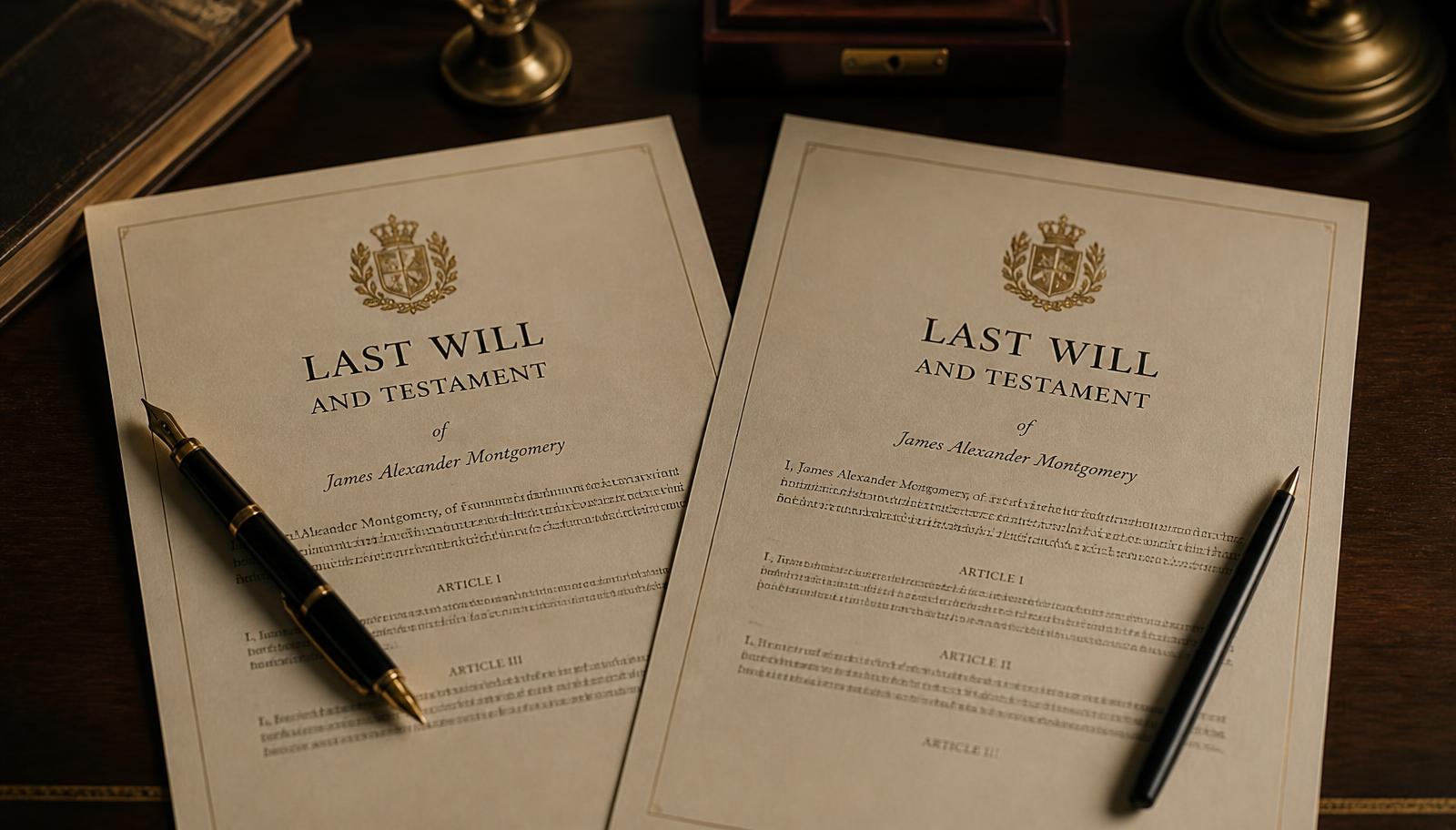
Hugh Ian Taylor died on 2 June 2019. His net estate was sworn for probate at £38,540,357. His final will gave £200,000 each to two former employees and left the residue to his widow, Jennifer Taylor. Lonan O’Herlihy received nothing.
Lonan was not Hugh’s biological or adopted child. His mother had been in a relationship with Hugh from around 1995 to around 2004. Lonan said Hugh had treated him as a son.
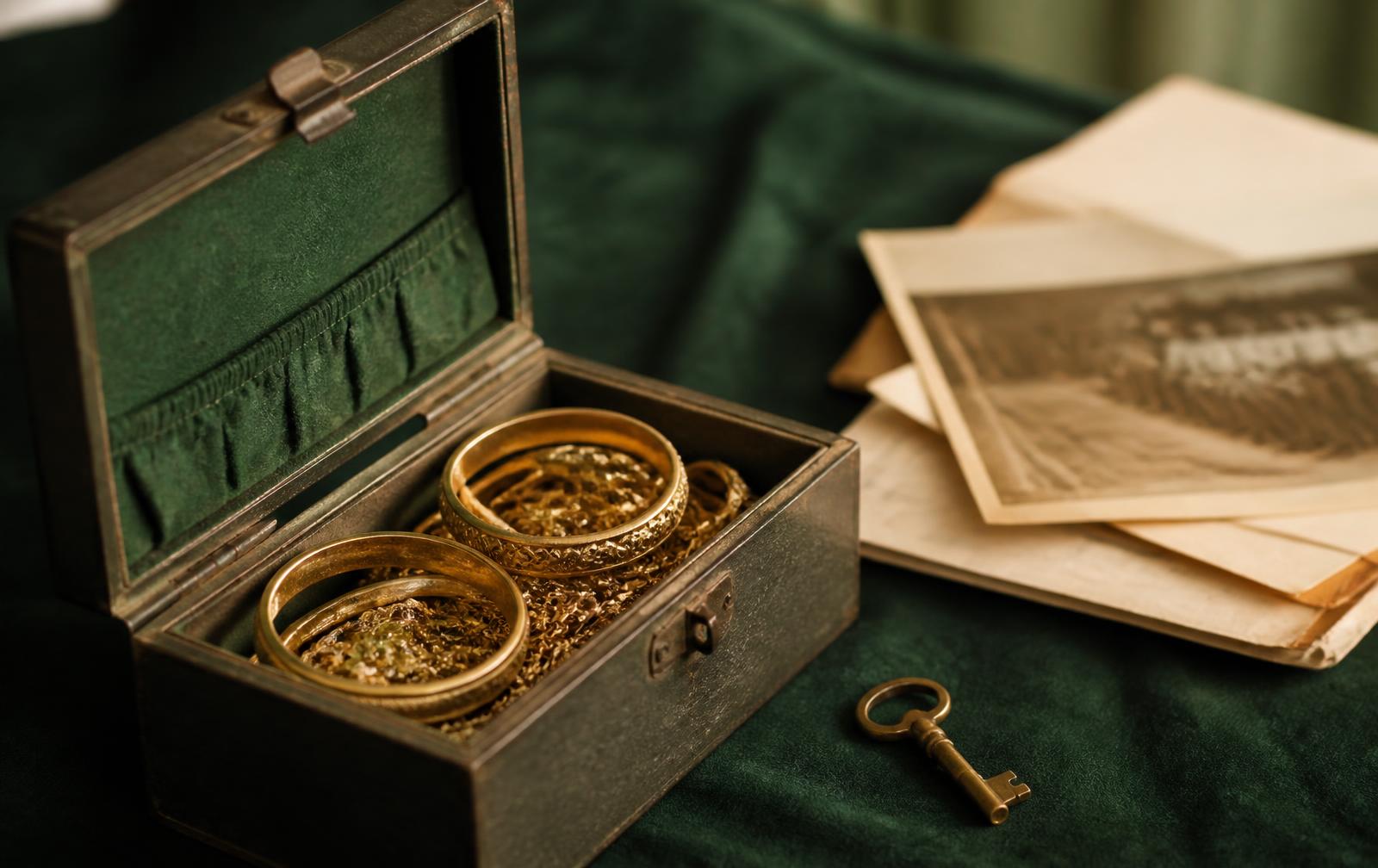
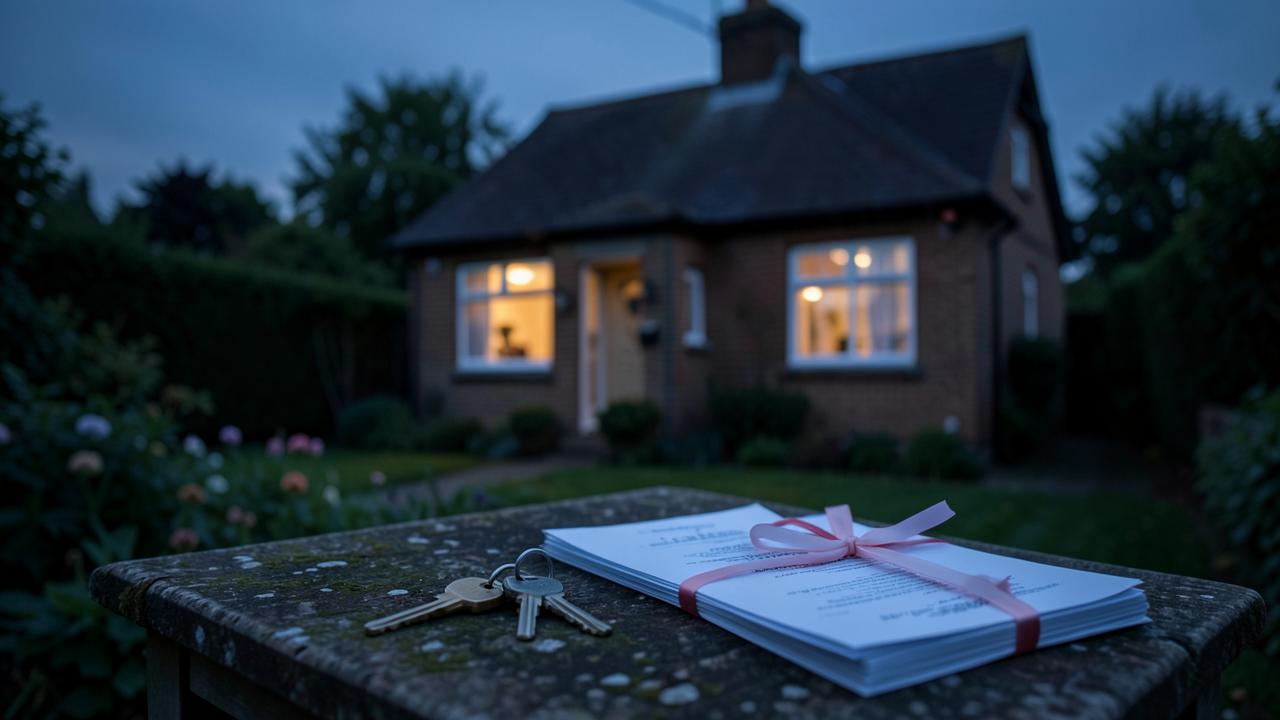
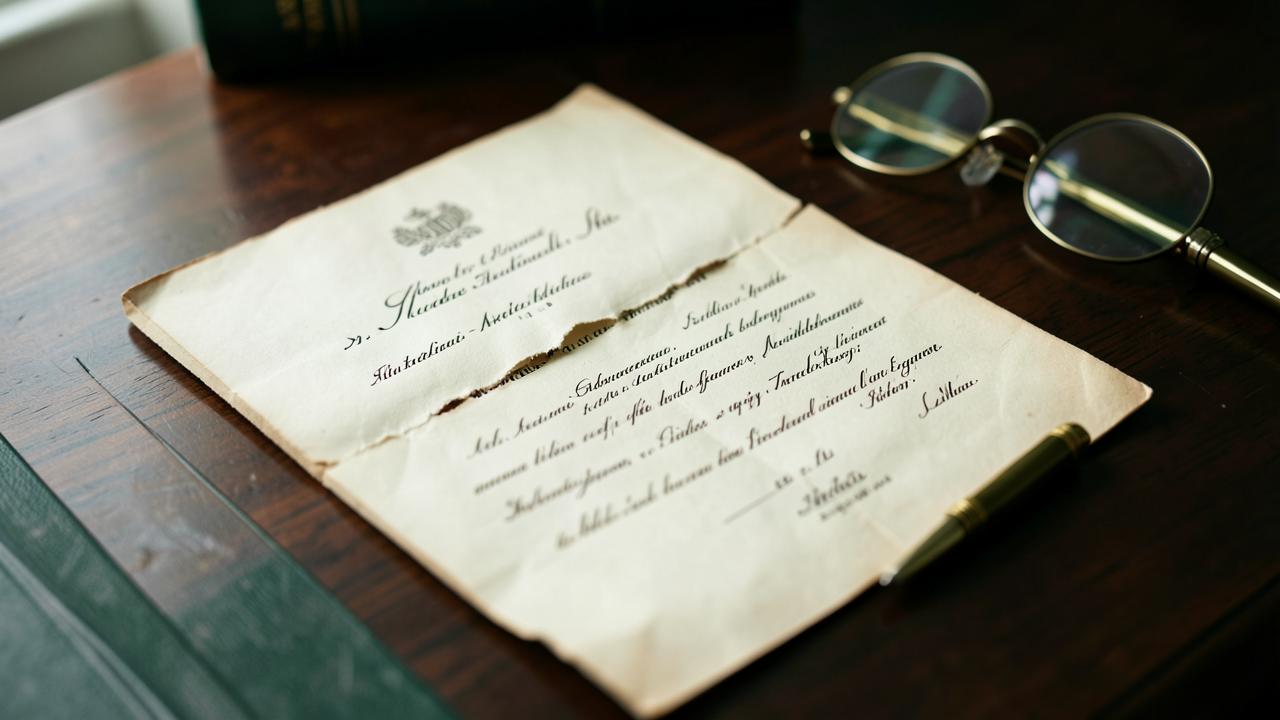
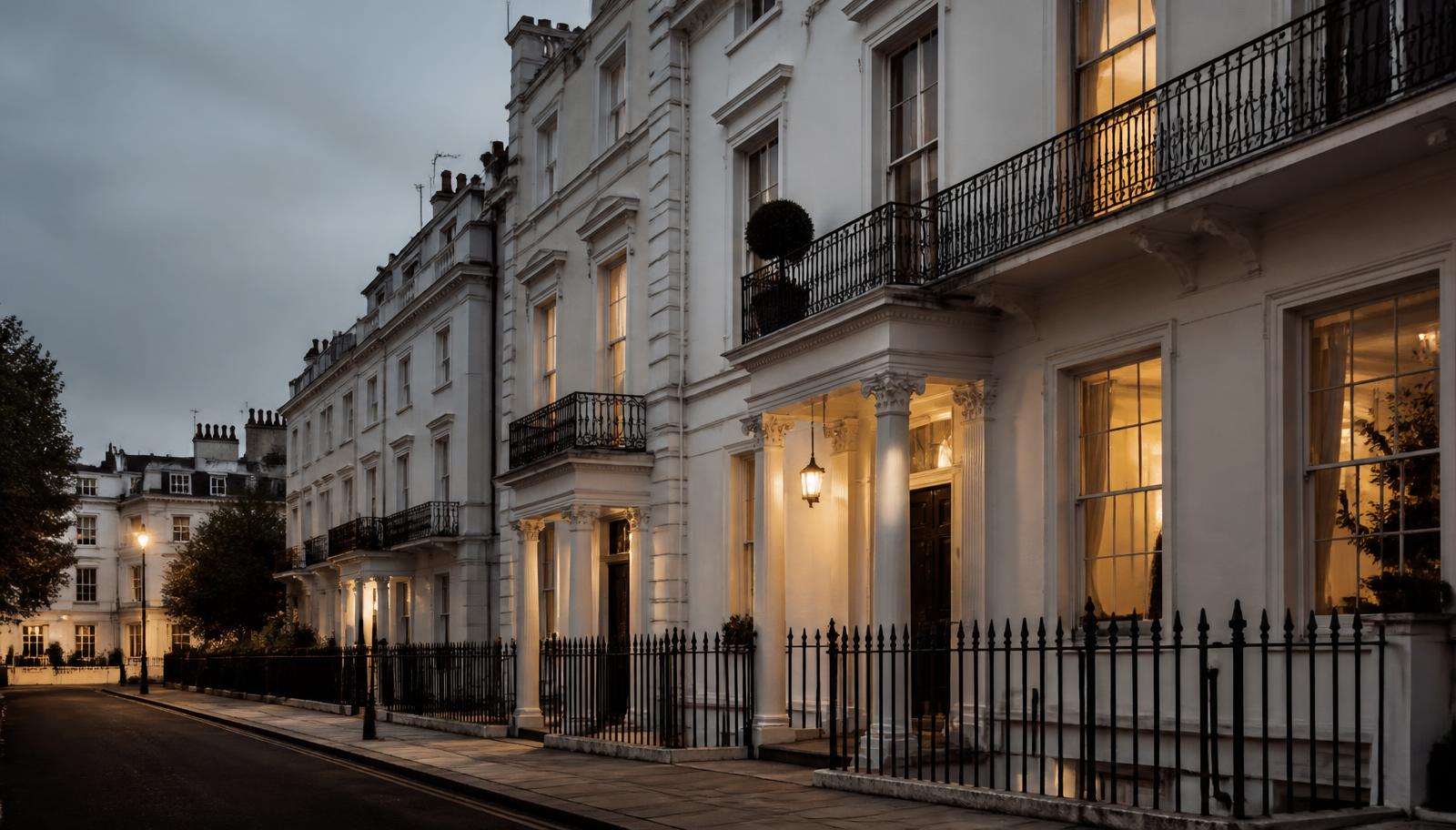
Years later, Lonan sought provision said to be worth approximately £5 million, including a South Kensington flat said to be worth around £3 million, a Mercedes 280SL Pagoda, a Patek Philippe watch, a valuable painting and £800,000 to buy an investment property. These were items in the proposed claim; this article’s imagery is representative and does not depict the actual objects.
But probate had been granted on 1 November 2019 and the claim was issued on 14 October 2024 — approximately four and a half years after the ordinary six-month period expired.
From Saddlewood Manor to Eastington Hall
Hugh’s relationship with Lonan’s mother began when Lonan was about six. She and her two sons, Rogan and Lonan, lived with Hugh first at Saddlewood Manor and later at Eastington Hall.
According to Lonan’s evidence, Hugh supported his education and maintenance and gave expensive presents: tailored suits, watches worth more than £5,000 and an Audi said to be worth around £45,000 for his 21st birthday. These were allegations advanced by Lonan, not findings that every item and valuation had been proved.
The relationship
A household, a breakdown and seven years without contact
- 1
Hugh Ian Taylor
A property investor whose net estate was sworn for probate at £38,540,357.
- 2
Mrs O’Herlihy
Hugh’s partner from around 1995 to around 2004 and mother of Rogan and Lonan.
- 3
Lonan O’Herlihy
Born on 7 June 1989. He alleged that Hugh had treated him as a child of the family.
- 4
Jennifer Taylor
Hugh’s widow, co-executor and residuary beneficiary under the 2015 will.
The court did not finally determine Lonan’s status as a child of the family. For the section 4 application, it proceeded on the basis that he had a real prospect of establishing relevant treatment during part of his childhood.
The relationship changed
The adult relationship substantially broke down in 2004–2005. Property and chattels litigation was settled, a new home was bought for Mrs O’Herlihy and other financial arrangements were made. Lonan said his own relationship with Hugh continued until around 2012.
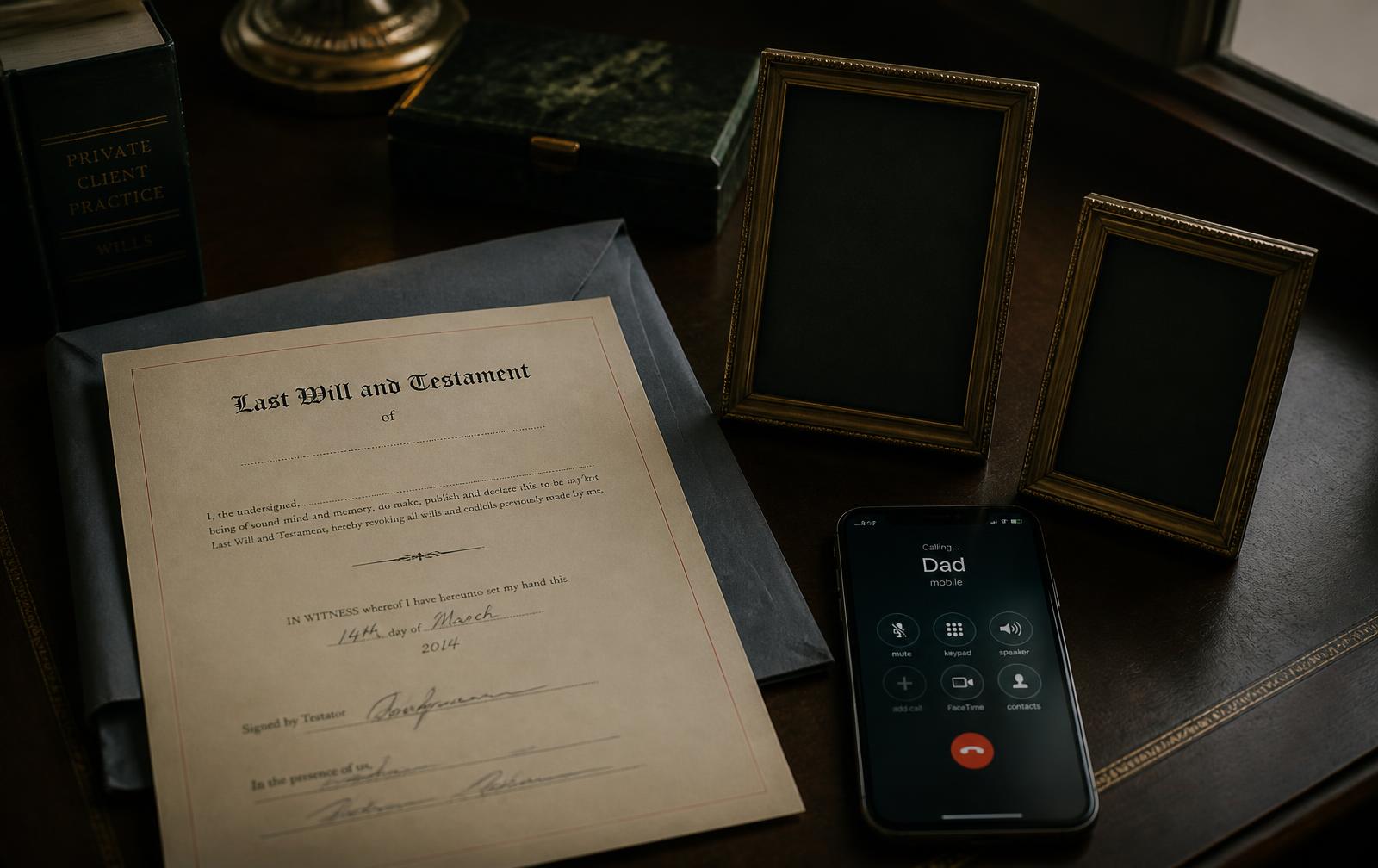
It was common ground that from about 2012 until Hugh’s death in 2019 there was no contact and no financial support.
Generosity during life does not automatically create an inheritance right.
The 2015 will
Hugh’s will of 9 July 2015 appointed Jennifer Taylor and his accountant Keith Upsdell as executors. It gave £200,000 to each of two former employees. Jennifer received the residue, with substitutional gifts for her daughters or their children. Lonan received nothing.
By the time proceedings began, the estate had been fully administered and distributed. That mattered to the prejudice caused by delay.
The claim he wanted to bring
The proposed package was visually striking: a £3 million South Kensington flat, a Mercedes 280SL Pagoda, a Patek Philippe watch, a valuable painting and £800,000 for an investment property. No particular watch model or painting artist is identified here.
Yet a very large estate does not itself create entitlement. A claimant must establish standing, reasonable financial provision and the statutory factors.
There may be £38.5 million in the estate. You still have to establish a legal claim to some of it.
His financial case
Lonan worked as a personal trainer. His evidence included expected annual income of approximately £70,000 net, annual expenditure of approximately £120,000, and a resulting claimed shortfall of about £50,000 a year. He rented with his girlfriend and said he lacked a capital cushion and had relied on loans.
The preliminary judge had to assess whether the proposed claim had a real prospect of showing a maintenance need which Hugh’s estate ought reasonably to meet.
And then there was social media
The defendants relied on online material presenting a glamorous lifestyle which they said sat uneasily with the financial case. The judge treated it cautiously: much was marketing for Lonan’s personal-training business and did not necessarily reflect his real resources. But the wider lesson is modern and clear.
Social media can become evidence in an inheritance dispute.
Simplified visual explainer
The legal clock
- 1
Grant of probate — 1 November 2019
- 2
Normal six-month period ended — 1 May 2020
- 3
Claim issued — 14 October 2024
- 4
Approximately 4½ years late
- 5
Permission required
- 6
Permission refused
The preliminary issue
The court was not deciding how much Lonan should receive. It was deciding whether he should be allowed to bring the claim so late.
The defendants had notified him of the will and probate in November 2019. The judgment analysed the whole delay, including the period before he understood he might have a 1975 Act claim and later periods after lawyers were instructed in 2022.
The merits problem
Deputy Master Henderson accepted that Lonan had a real prospect of establishing that Hugh treated him as a child of the family during a relevant childhood period. That was not a final finding after a substantive trial.
The proposed claim nevertheless had no real prospect of success overall. Lonan was an adult with earning capacity who had created his own standard of living after contact ended. There had been no contact or support for around seven years before Hugh died, and there was no real prospect of establishing that Hugh retained obligations and responsibilities to maintain him at death.
Adult claimants can succeed under the 1975 Act. This conclusion was fact-specific; it is not a rule that adult children cannot claim.
The decision
Permission under section 4 was refused. The court held that the proposed substantive claim lacked a real prospect of success. It also held, in the alternative, that the unexplained delay, absence of negotiations within the time limit, completed distribution and prejudice meant permission would still have been refused even if the merits threshold had been crossed.
The approximately £5 million claim never proceeded to a full substantive trial.
The mediation clock
Mediation can take place before issue, alongside protective proceedings or after proceedings begin. But willingness to negotiate does not itself extend the statutory period.
Mediate early. But do not miss the deadline while you are talking.
Could it have been mediated?
Potentially — and at a much earlier stage. The defendants had formidable arguments: long delay, a fully distributed estate, seven years without contact or support, and serious merits problems. Lonan relied on a long childhood relationship, alleged treatment as a son, substantial historic support and an exceptionally wealthy estate.
A mediation could have examined the prospect of permission, the evidence of parental treatment, the effect of estrangement, genuine maintenance needs, the realism of the £5 million package and the cost of litigating the preliminary issue.
Before the court could ask how much he should receive, the parties had to fight about whether he could ask at all.
Why do particular objects matter so much?
A watch, car, painting, ring, photograph or piece of furniture can represent memory, recognition, status or an alleged promise. O’Herlihy is a vivid reminder that inheritance claims can concern both financial value and symbolic value.
Ilott and McDaniel: relationships move in different directions
Ilott v The Blue Cross involved an adult child, long estrangement and a substantive award ultimately restored at £50,000. McDaniel v Talbot concerned a father and daughter who reconciled after estrangement. Here, the relationship said to have been parental had ended years before death.
Estrangement does not automatically defeat a claim. But context, need and timing matter.
The claim that never got through the door
The proposed provision was extraordinary: a £3 million flat, classic Mercedes, luxury watch, painting and £800,000 property fund. None reached a substantive trial. The estate was large, but the claim was years late and the court held that it had no real prospect of success.
In inheritance litigation, sometimes the most important asset is time.
Related content
- Ilott v The Blue Cross
- McDaniel v Talbot
- Kaur v Singh
- Jassal v Shah
- Howe v Howe
- Unmarried partners and intestacy
- How Not to Start an Inheritance War
- The Inheritance Wars hub
This article provides general commentary on O’Herlihy v Taylor & Anor [2026] EWHC 505 (Ch) and inheritance disputes in England and Wales. It does not constitute legal advice. Anyone considering a 1975 Act claim should obtain prompt advice about the statutory time limit.
Cases referred to & sources
The price of the war
The judgment does not state a reliable final figure for the parties’ legal costs. The price included a two-day preliminary-issue trial devoted to whether a proposed claim could proceed, after the estate had been fully administered and distributed. Permission was refused, so there was no substantive trial.
What could a mediated settlement have looked like?
These are examples of settlement structures which mediation could have explored. They are not outcomes which actually occurred, and the legal, tax and practical consequences of any settlement require appropriate professional advice.
A modest capital payment
A payment materially below the approximately £5 million proposal could have reflected the childhood relationship while pricing the limitation and merits risks.
A particular personal item
If ownership and availability permitted, a sentimental object could have carried recognition beyond its financial value.
Housing assistance
A contribution or time-limited loan toward housing could have focused on demonstrated maintenance rather than the full claimed asset package.
Finality and confidentiality
Releases, costs terms and confidentiality could have protected a fully distributed estate and avoided a public preliminary trial.
Inheritance Wars
Four questions
- What did the court have to decide?
- Whether permission should be granted under section 4 for the proposed 1975 Act claim to proceed after the six-month period — not whether Lonan should ultimately receive an award.
- What did the parties risk?
- A claim for approximately £5 million, an estate already distributed, weak prospects on maintenance and a delay of roughly four and a half years after the deadline.
- What could mediation have done differently?
- Early mediation could have tested child-of-family status, current need and the proposed assets, while lawyers protected the statutory position.
- What should families and advisers learn?
- A very large estate does not cure a weak or late claim. Settlement discussions do not stop the six-month clock.
Inheritance Wars
Real cases. Real families. Real consequences.
The court can decide who is right. Mediation asks whether there is another way.
Is your dispute beginning to look like an inheritance war?
Inheritance disputes often become harder to resolve as costs increase, positions become entrenched and family relationships deteriorate.
Mediation provides an opportunity to explore settlement before the outcome is left entirely to the court.
ProMediate Inheritance, Probate & Trusts provides specialist mediation for disputes involving wills, estates, trusts, inheritance and family property.
Mediation is voluntary and confidential, subject to the mediation agreement and applicable legal exceptions. The mediator is neutral, does not decide who is right and does not provide legal advice. This article provides general information about mediation and the reported decisions referred to above. It does not constitute legal advice.
© 2026 ProMediate (UK) Limited. All rights reserved.
This article may not be reproduced, republished or substantially copied without the prior written permission of ProMediate (UK) Limited. Short quotations may be used for legitimate commentary or citation provided that ProMediate is clearly credited as the source.