Inheritance Wars · No. 26 · Forged will · Only child · Handwriting evidence · Probate fraud · 18 min read
A real inheritance dispute — and the question of whether there was another way.
Inheritance Wars: The Solicitor, the Forged Will — and the Daughter Left With Nothing
Khatun v Hasan — when a solicitor’s supposed final will disinherited his only child in favour of another man, the High Court had to decide whether the document was genuine at all.
Peter Causton · 1 July 2025 · 18 min read
7 April 2020
Date of Mr Shaikh’s death
1
Only child — Mosammat Khatun
4
UK properties identified in the judgment
£0
Daughter’s entitlement under the disputed will
5 days
High Court hearing across two dates
1 July 2025
Date of judgment
Monir Jaman Shaikh was himself a solicitor. He died on 7 April 2020, during the first weeks of the first national Covid-19 lockdown.
He had one child: Mosammat Shapna Khatun. She believed her father had died intestate and applied for letters of administration on 20 April 2020.
Then another document appeared.
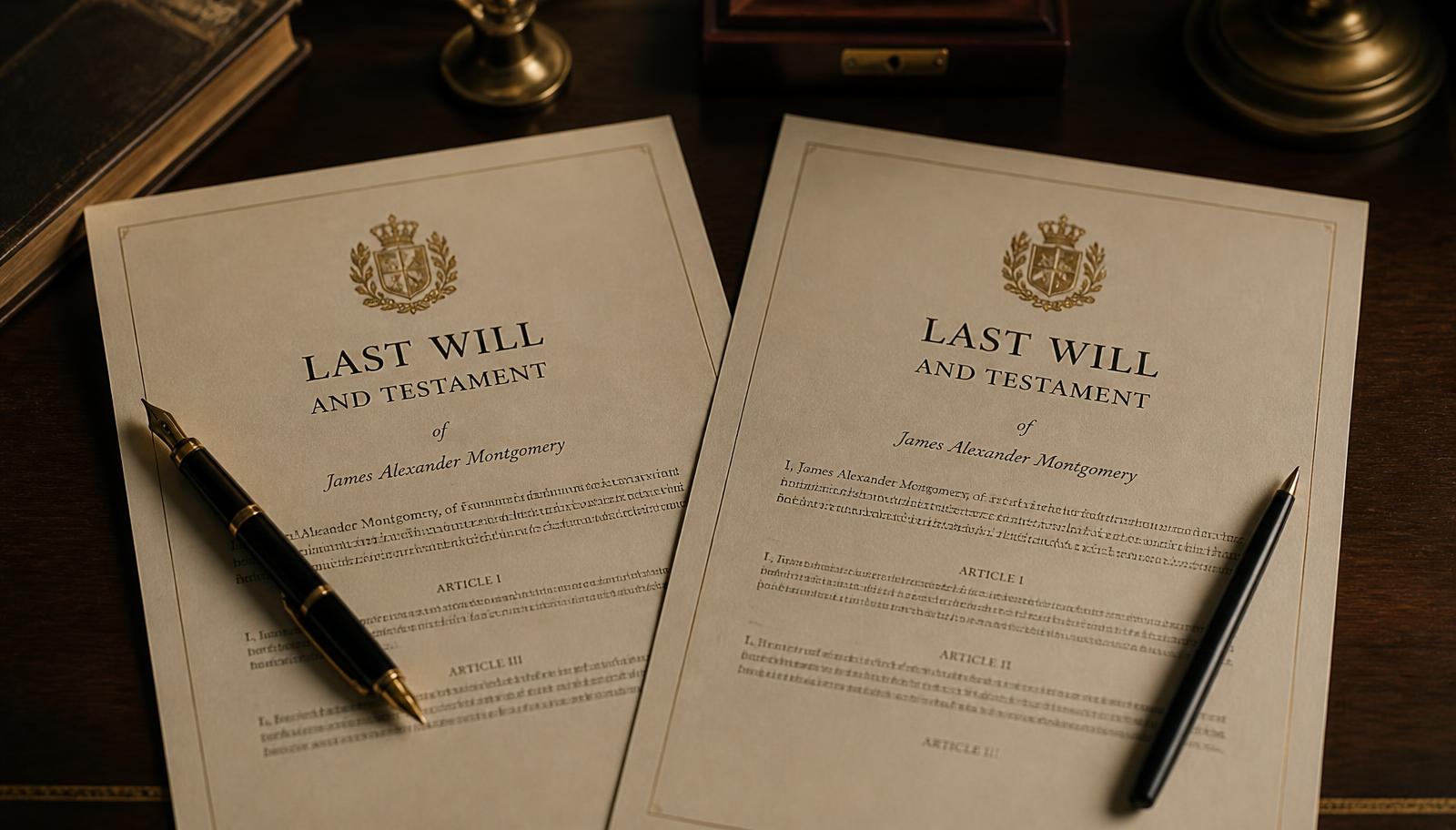
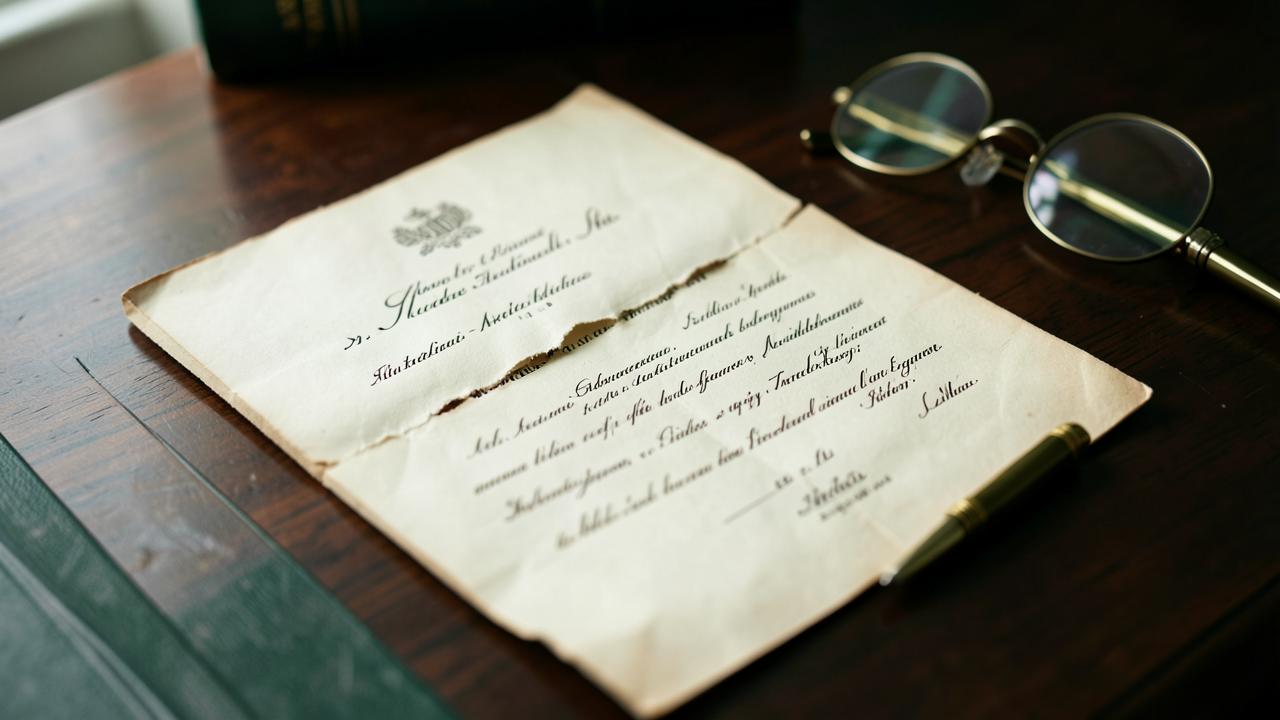
It purported to be a will dated 19 September 2019. Under it, his daughter received nothing. The entire estate went instead to Shamim Hasan. It appointed Mr Pathania, a former solicitor and long-standing friend of the deceased, as executor. He was also said to have witnessed it with Mr Alam.
Solicitor dies → only child expects intestacy → new will appears → daughter £0 → Mr Hasan 100% → did the deceased ever sign it?
The deceased was himself a solicitor
Mr Shaikh was born on 13 April 1956 and died six days before his 64th birthday. Having practised as a lawyer in Bangladesh, he became a practising solicitor in England and was the sole owner of PGA Solicitors from 2016 until his death.
He acquired four UK properties: 47 Cumberland Road, two flats in Tilbury and a hotel in Blackpool. The judgment also refers to his interest in his legal practice. It does not give a reliable total valuation for the estate, and none is assumed here.
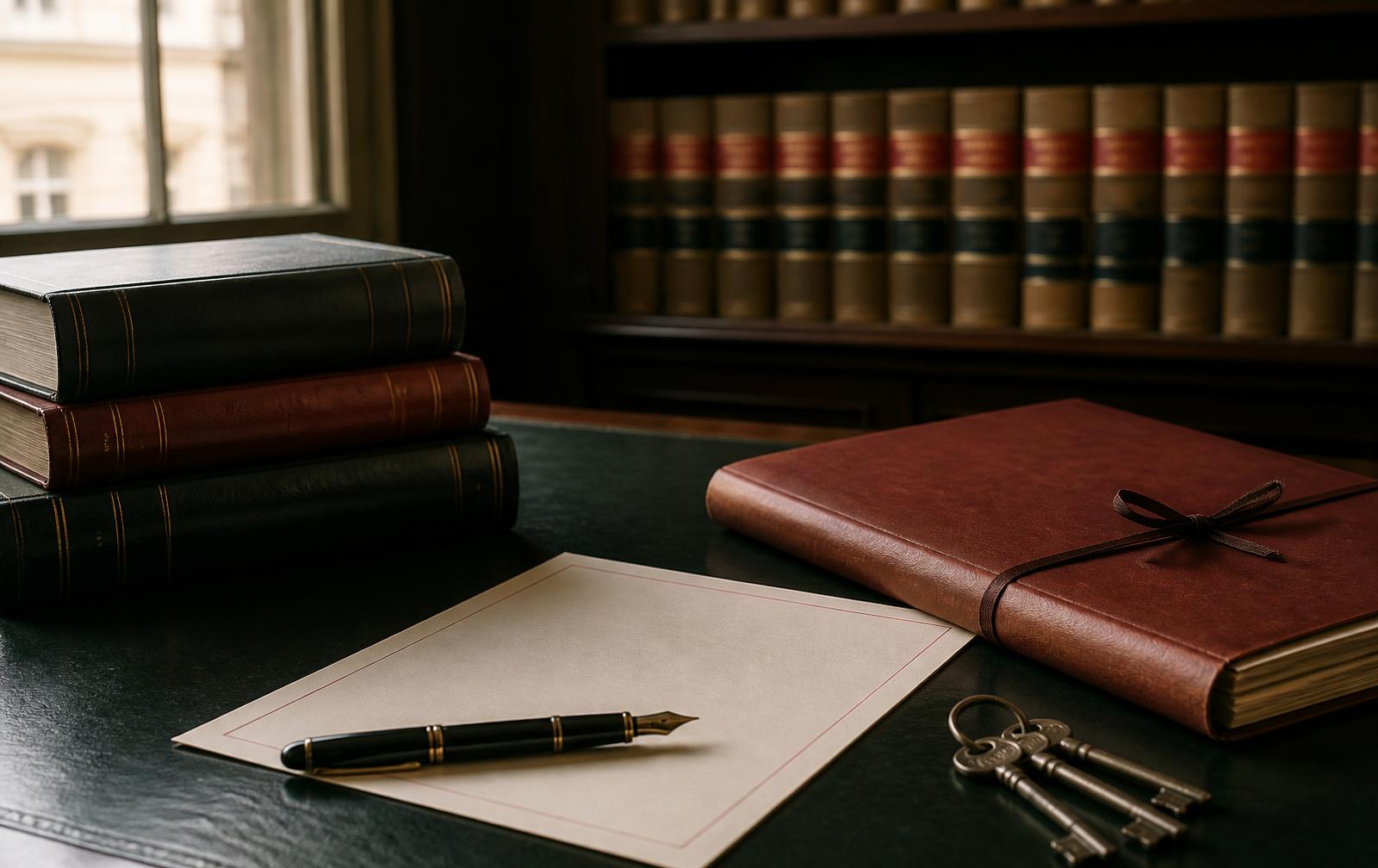
Lawyers routinely advise clients to use proper testamentary formalities, retain originals and leave a clear professional file. Yet the supposed will that excluded this solicitor’s only child was surrounded by disputed provenance, missing corroboration and handwriting evidence.
A will should reduce uncertainty after death. This one created it.
The central actors
One deceased solicitor, one daughter and a disputed will
- 1
Monir Jaman Shaikh
A solicitor, sole owner of PGA Solicitors and father of one daughter. He died aged 63, six days before his 64th birthday.
- 2
Mosammat Shapna Khatun
Mr Shaikh’s only child. She applied for letters of administration believing he had died intestate.
- 3
Shamim Hasan
The sole beneficiary named in the disputed will and a tenant at 47 Cumberland Road.
- 4
Mr Pathania and Mr Alam
The two men said to have witnessed execution; Mr Pathania was also the named executor.
The court did not find that Mr Hasan had no relationship with Mr Shaikh. It found that the claimed close, quasi-familial relationship was not sufficiently established by the evidence.
Simplified visual explainer
From supposed intestacy to a five-day probate trial
- 1
19 September 2019 — disputed will dated
- 2
7 April 2020 — Mr Shaikh dies
- 3
20 April 2020 — daughter applies for letters of administration
- 4
May 2020 — disputed will emerges
- 5
8 March 2021 — challenge issued
- 6
7–10 December 2024 — principal trial hearing
- 7
9 January 2025 — original inspected and further applications heard
- 8
1 July 2025 — judgment
The only daughter
Ms Khatun applied for letters of administration on the footing that her father had made no will. The disputed document changed everything.
Intestacy: only child inherits. Disputed will: only child gets nothing.
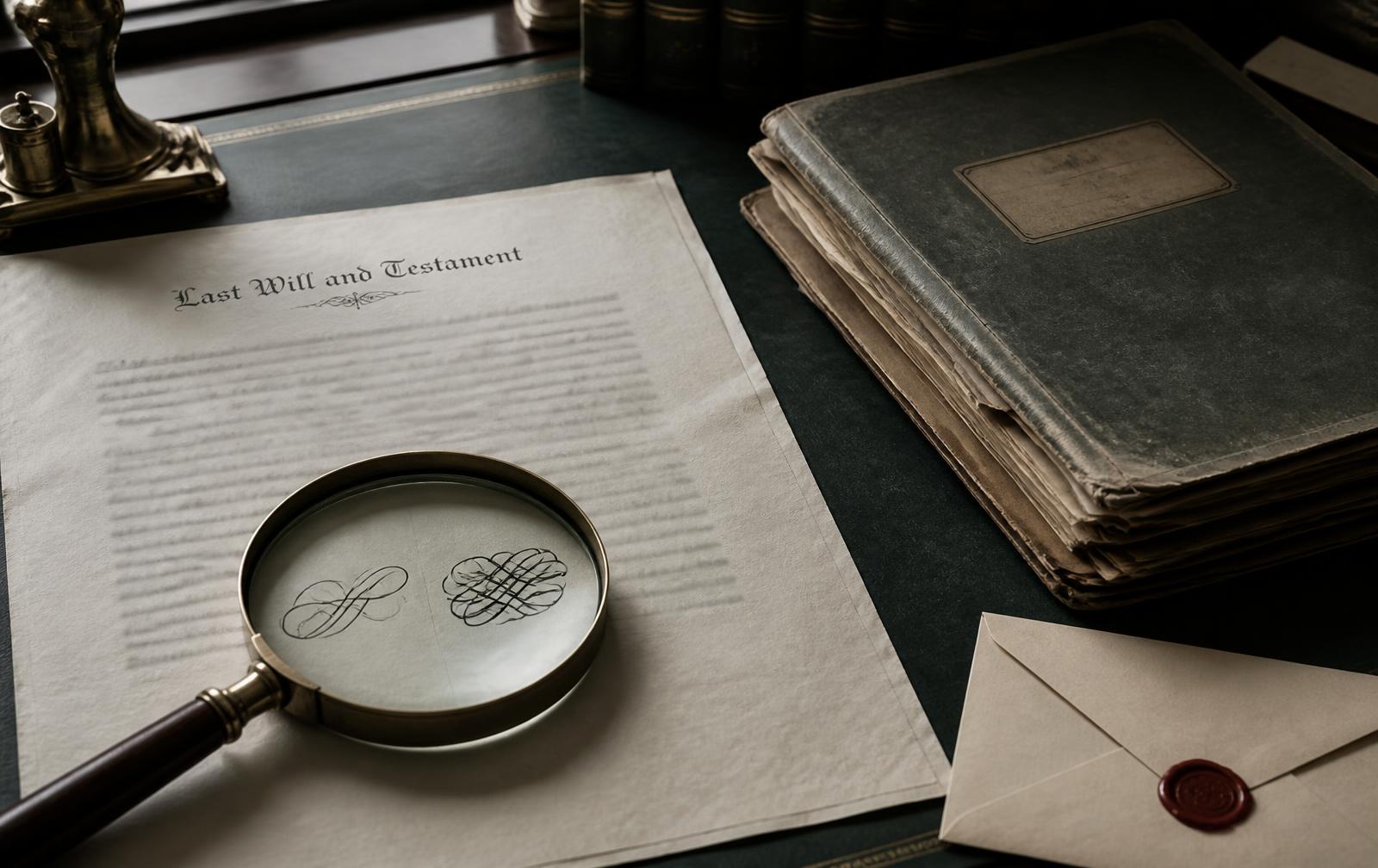
The disputed will
The document was dated 19 September 2019. It purported to leave the entirety of Mr Shaikh’s estate to Mr Hasan, expressly excluding Ms Khatun. Mr Pathania was named sole executor and was one of the alleged attesting witnesses; Mr Alam was the other.
The defendants’ evidence was that Mr Shaikh drafted and signed the will and that both witnesses attested it. Ms Khatun’s maintained case was fraud: the document was not authentic.
Who was Shamim Hasan?
Mr Hasan lived at 47 Cumberland Road under a tenancy arrangement. He said he had enjoyed a very close relationship with Mr Shaikh, akin to that of a close family member, and relied on that relationship to explain the will.
The judge did not find that there was no personal relationship. She found that the evidence did not come close to establishing the claimed close, quasi-familial relationship. The documents showed elements of a landlord-and-tenant and commercial relationship, but did not satisfactorily explain why an only daughter had been entirely excluded.
The strange will
The document was a hybrid of precedent clauses and bespoke drafting. It contained spelling errors, awkward provisions and a misspelling of Ms Khatun’s name. The judge did not treat those features by themselves as evidence that Mr Shaikh had not signed it: they were capable of fitting either side’s case.
More significant was what did not exist. There were no disclosed texts, WhatsApp messages, letters, emails or telephone records supporting the alleged meetings at which the will was drafted and executed. No independent witness corroborated those attendances.
Mr Shaikh ordinarily entrusted his legal work to J Stifford Solicitors. Yet the defendants’ account was that he drafted this will himself and handed its original to Mr Pathania.
The man said to have made the will was a solicitor. Yet there was no contemporaneous documentary trail showing how it was made.
The shoebox
Mr Pathania’s evidence was that he took the signed original home and stored it in a shoebox on top of a wardrobe, where he also kept important documents such as his passport, wedding photographs and degree certificate.
After learning of Mr Shaikh’s death, he said he first returned to the house, could not remember where he had stored the will and left without it. He retrieved it on a second visit after remembering its location. The judge treated that account as one of the oddities contributing to suspicion.
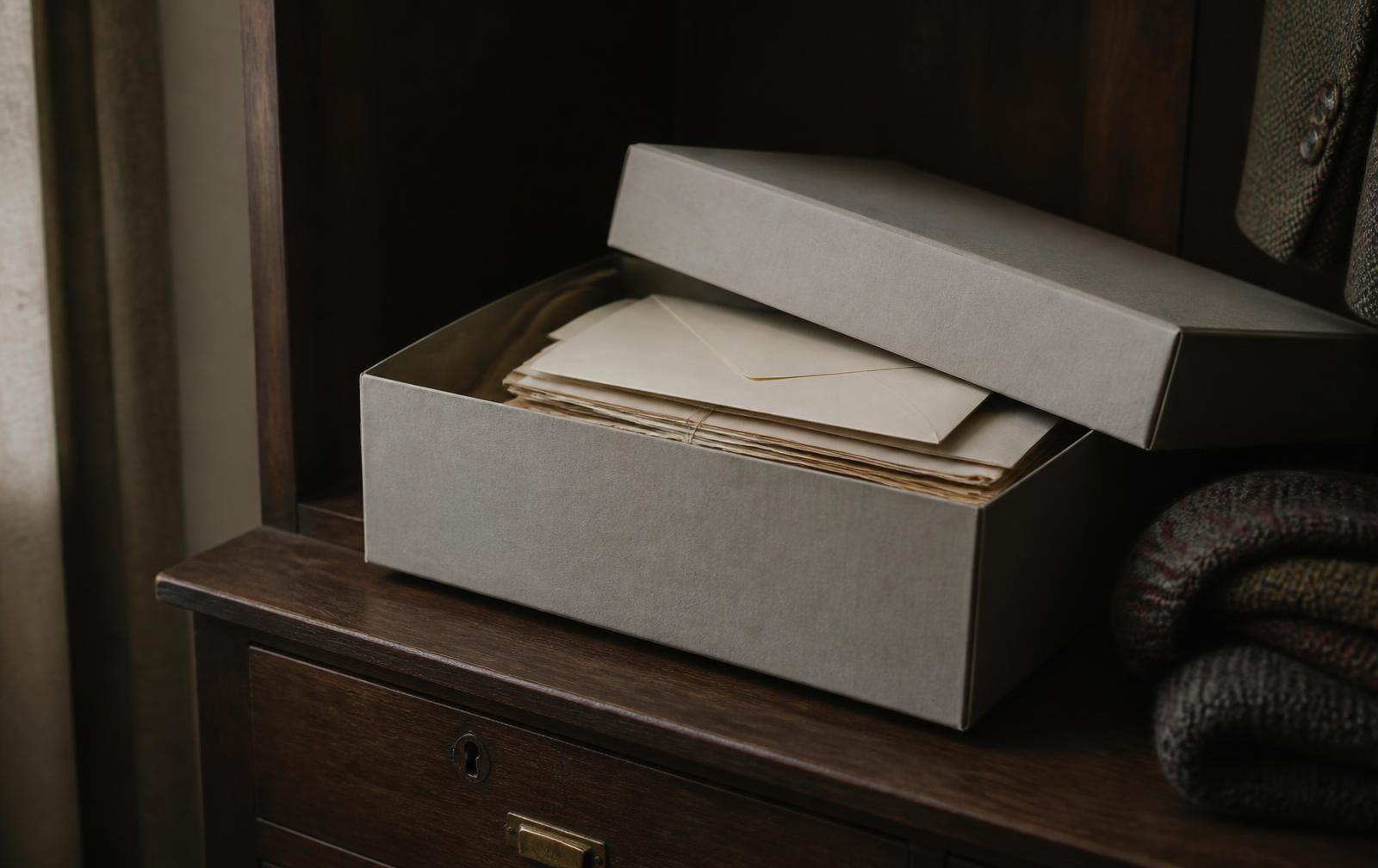
In a forgery case, custody of the original document matters.
The Pakistan properties that were not shown to exist
The disputed will referred to Mr Shaikh’s estate in England, Bangladesh and Pakistan. It also referred to transferring properties by deed number.
Ms Khatun’s evidence was that her father had never owned property or other assets in Pakistan. The defendants produced no evidence establishing any such ownership and no evidence that they had investigated it.
The judge considered this an inexplicable mistake for Mr Shaikh to have made in a document he was said to have drafted carefully himself. It was a particularly important part of the overall assessment.
Why would a solicitor put assets in his own will which the evidence did not show he owned?
That is an evidential question about authenticity—not an accusation identifying who drafted the document.
The signature
The claimant relied on a report by forensic handwriting analyst Dr Ruth Myers. She identified ten differences between the questioned signature and the reference material. Her opinion was that there was strong evidence supporting the proposition that the signature had been written by another hand, by someone familiar with Mr Shaikh’s signature.
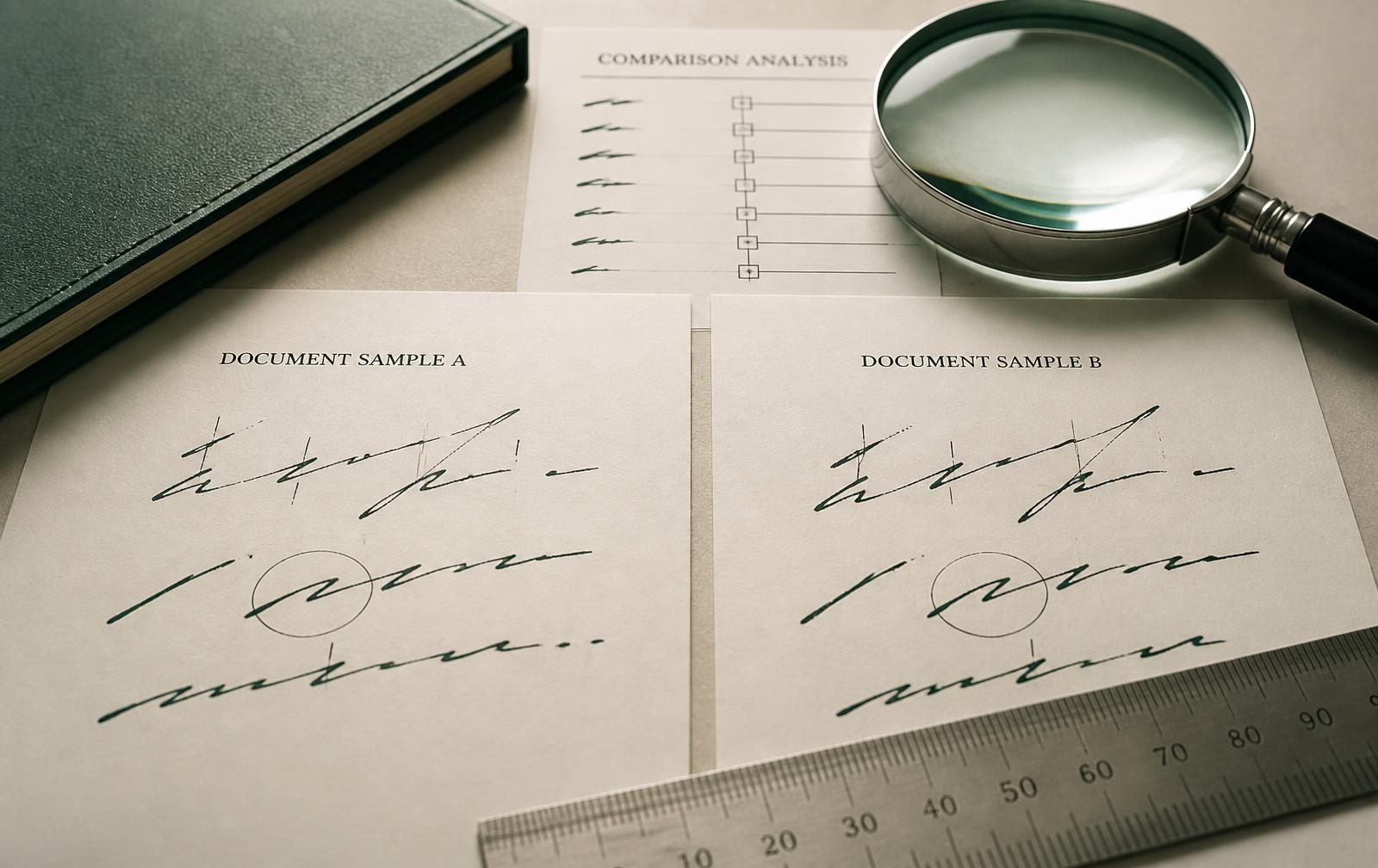
She did not identify any forger. Her evidence did not decide the case. The judge had already concluded from the broader evidence that the defendants had failed to prove authenticity and said the expert conclusion provided, at most, reassurance that her independently reached conclusion was consistent with it.
But there was a procedural problem
Dr Myers had worked from copies, not the original. She expressly identified the resulting limitations: she could not determine details of construction with certainty and her examination was largely restricted to pictorial representation.
The original had been lodged with the court, but neither side had secured its release to the expert before trial. It was inspected by the judge at the later hearing on 9 January 2025.
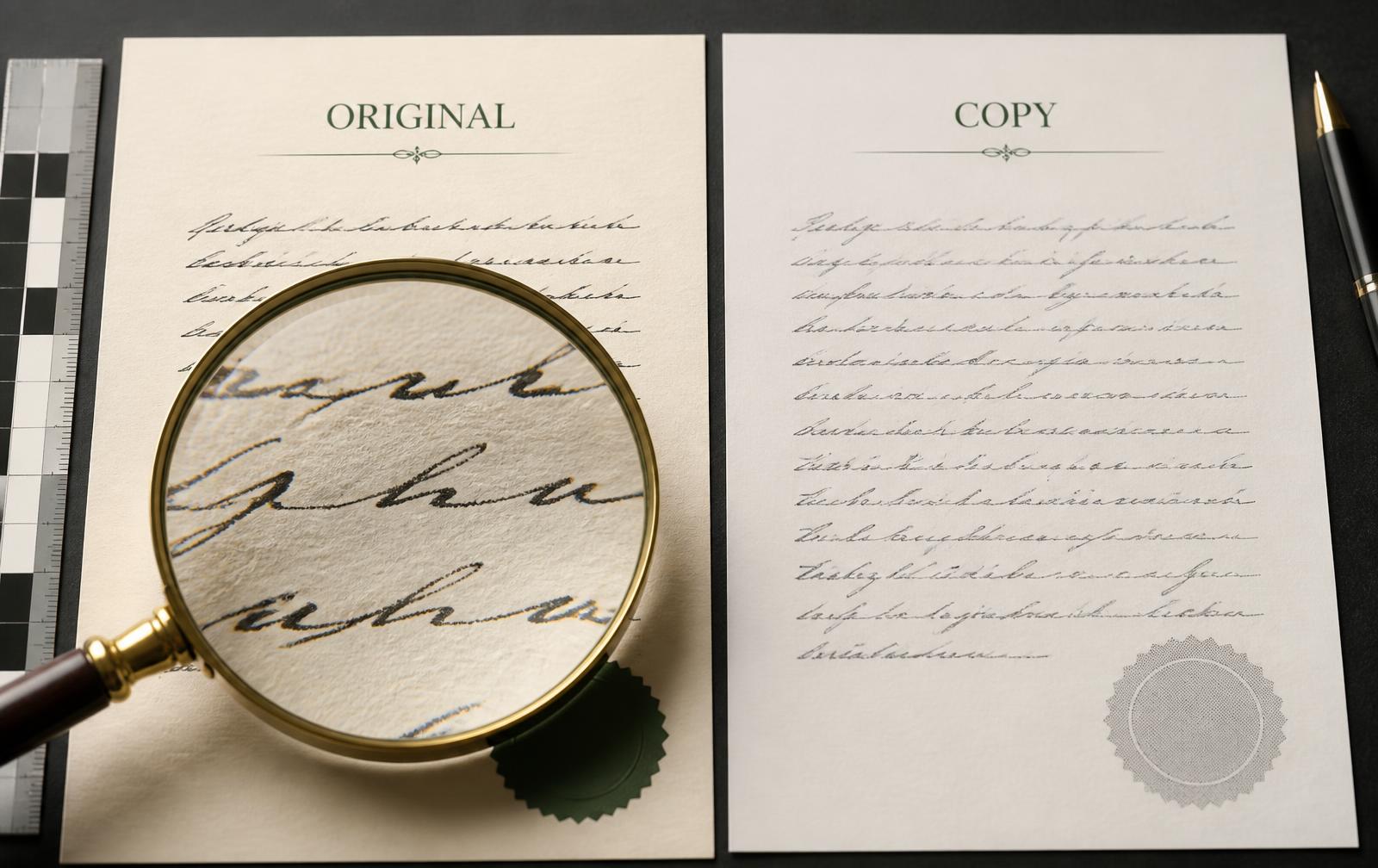
In a forgery case, the original document is not a detail.
The last-minute expert
The defendants had known about Dr Myers’ adverse report. They sought their own expert evidence only immediately before trial. The application to rely on that late report—and to call both experts—was refused. There was not enough time for the claimant to respond, and the admitted failure to prepare properly had no adequate excuse.
The witnesses
Mr Pathania and Mr Alam gave first-hand evidence that they had witnessed the will. Such evidence is important. But it had to be evaluated against the document, the surrounding circumstances, the lack of corroboration and inconsistencies in the chronology.
A witness signature does not make a document immune from challenge.
The court’s problem
The court faced two irreconcilable accounts.
Story one: a solicitor deliberately disinherited his only daughter, wrote his own will, left everything to another man and signed it before two witnesses.
Story two: the document was not his will at all.
There was no middle ground. Either this was his will—or it wasn’t.
The decision
The judge held that the circumstances aroused suspicion. The unexplained absence of normal corroborative documents, the failure to establish the claimed quasi-familial relationship, the scant evidence of alleged property-restructuring plans, and inconsistencies surrounding the document’s late production meant the defendants’ oral evidence was not enough.
The court concluded that the defendants had failed to establish on the balance of probabilities that the disputed will was genuine. The judge considered the most likely explanation for the Pakistan-property error was that the document had not been written by Mr Shaikh, at his direction or with his knowledge.
Disputed will → Mr Hasan 100%, Ms Khatun £0 → High Court: genuine? No → no valid will established → intestacy → only daughter stands to inherit.
No individual is accused in this article of personally writing a forged signature. The civil judgment determined the document’s authenticity; it did not identify a particular person as the forger.
Sometimes a family needs an answer
ProMediate does not suggest that every probate dispute must end in mediation. Where a case involves alleged forgery, fraud, deliberate falsification or serious professional wrongdoing, a party may legitimately require a judicial finding. Regulatory, professional, tax or other consequences may also matter.
Mediation can settle a dispute. It cannot declare a document to be a forgery.
The sensible question is not “should this definitely have mediated?” It is: was there a point at which the risks should have been tested before trial?
Could it have been mediated?
Even a binary authenticity dispute may have commercial settlement value. A confidential mediation could have tested the strength of the documentary case, the limitations of the handwriting report, witness credibility, procedural failures and the consequences if the will failed.
But mediation cannot provide the authoritative public determination that a party may need where fraud or forgery is alleged. In this case, the need for a finding may have remained decisive.
The original document
Where a physical will is made, record where the original is stored, who holds it, how it can be located and what professional file supports its execution. A solicitor’s file should preserve instructions, attendance notes, drafts, correspondence and execution records.
The future may be digital. But authenticity will still matter.
Three useful comparisons
Marley v Rawlings
The Rawlings knew exactly what they wanted but accidentally signed each other’s wills. The Supreme Court rectified a genuine execution mistake. Khatun asked the more fundamental question: was the supposed will the deceased’s document at all?
One case involved genuine wills executed wrongly. The other involved a document the court found was not established as genuine.
Neate v Heselden
Neate also concerned an unexpected will and disappointed family. But strong evidence explained why the deceased deliberately changed his arrangements, and the will was upheld. A surprising will can be valid; the more surprising the result, the more important the evidence surrounding it may become.
Bond v Webster
Bond concerned a professionally prepared later will challenged on capacity and knowledge and approval. Khatun concerned authenticity and execution. “The will is invalid” can be the end result of very different legal questions.
The will that wasn’t
Monir Shaikh was a solicitor. He had one daughter. After his death, a document appeared saying that daughter should inherit nothing, while another man should receive everything.
If genuine, that would have been a testamentary decision the law might have had to respect. But first it had to be his will.
The evidence did not satisfy the court that it was. The defendants failed to establish the disputed document as genuine. With no valid will established, the estate fell to be dealt with on intestacy and his only daughter stood to inherit.
Testamentary freedom lets you leave your estate to whoever you choose. But first, it has to be your will.
Related reading
- Marley v Rawlings — the spouses who signed each other’s wills
- Bond v Webster — capacity and knowledge and approval
- Neate v Heselden — an unexpected will upheld
- Schrader v Schrader — capacity and undue influence distinguished
- Rea v Rea — a daughter, three brothers and the family home
- Electronic Wills — will going digital stop inheritance disputes?
- How Not to Start an Inheritance War
- Explore the Inheritance Wars library
This article provides general commentary on Khatun v Hasan & Anor [2025] EWHC 1658 (Ch), contested probate and inheritance mediation in England and Wales. It does not constitute legal advice.
Cases referred to & sources
- Khatun v Hasan & Anor [2025] EWHC 1658 (Ch)
- Wills Act 1837, section 9
- Face v Cunningham [2020] EWHC 3119 (Ch)
- Sangha v Sangha [2021] EWHC 1599 (Ch)
- Sherrington v Sherrington [2005] EWCA Civ 326
- Fuller v Strum [2001] EWCA Civ 1879
- Payne v Payne [2018] EWCA Civ 985
The price of the war
The trial occupied five hearing days: 7–10 December 2024 and 9 January 2025. It involved multiple factual witnesses, a handwriting report, applications concerning late expert evidence and a separate inspection of the original will. The judgment left the basis of costs assessment and other consequential matters to a further hearing, so no final costs figure should be inferred.
What could a mediated settlement have looked like?
These are examples of settlement structures which mediation could have explored. They are not outcomes which actually occurred, and the legal, tax and practical consequences of any settlement require appropriate professional advice.
A negotiated estate division
Without admitting how the document came into existence, the parties could have explored a division reflecting Ms Khatun’s intestacy position and Mr Hasan’s claimed relationship with Mr Shaikh.
Property-specific terms
If occupation or tenancy issues permitted, a settlement could have addressed particular properties separately rather than treating the estate as one indivisible contest.
Costs, releases and finality
An agreement could have allocated costs and included comprehensive releases, avoiding the risk and expense of a public all-or-nothing trial.
No settlement
If an authoritative finding about authenticity was essential, mediation could still have clarified the evidence and narrowed procedural issues before the court decided the case.
Inheritance Wars
Four questions
- What did the court have to decide?
- Whether the document dated 19 September 2019 was genuinely Mr Shaikh’s will and had been validly executed by him or at his direction.
- What did the parties risk?
- An all-or-nothing outcome concerning the estate, a serious allegation of forgery and the costs of a five-day probate trial.
- What could mediation have done differently?
- It could have allowed the parties to assess the forensic evidence, witness credibility, procedural risks and consequences of losing before trial, while recognising that an authoritative judicial finding might still have been necessary.
- What should families and advisers learn?
- Where a will produces a surprising result, the quality of the evidence surrounding its preparation, execution, custody and production can become every bit as important as the words printed on the page.
Inheritance Wars
Real cases. Real families. Real consequences.
The court can decide who is right. Mediation asks whether there is another way.
Is your dispute beginning to look like an inheritance war?
Inheritance disputes often become harder to resolve as costs increase, positions become entrenched and family relationships deteriorate.
Mediation provides an opportunity to explore settlement before the outcome is left entirely to the court.
ProMediate Inheritance, Probate & Trusts provides specialist mediation for disputes involving wills, estates, trusts, inheritance and family property.
Mediation is voluntary and confidential, subject to the mediation agreement and applicable legal exceptions. The mediator is neutral, does not decide who is right and does not provide legal advice. This article provides general information about mediation and the reported decisions referred to above. It does not constitute legal advice.
© 2026 ProMediate (UK) Limited. All rights reserved.
This article may not be reproduced, republished or substantially copied without the prior written permission of ProMediate (UK) Limited. Short quotations may be used for legitimate commentary or citation provided that ProMediate is clearly credited as the source.