Inheritance Wars · Special feature · 9 min read

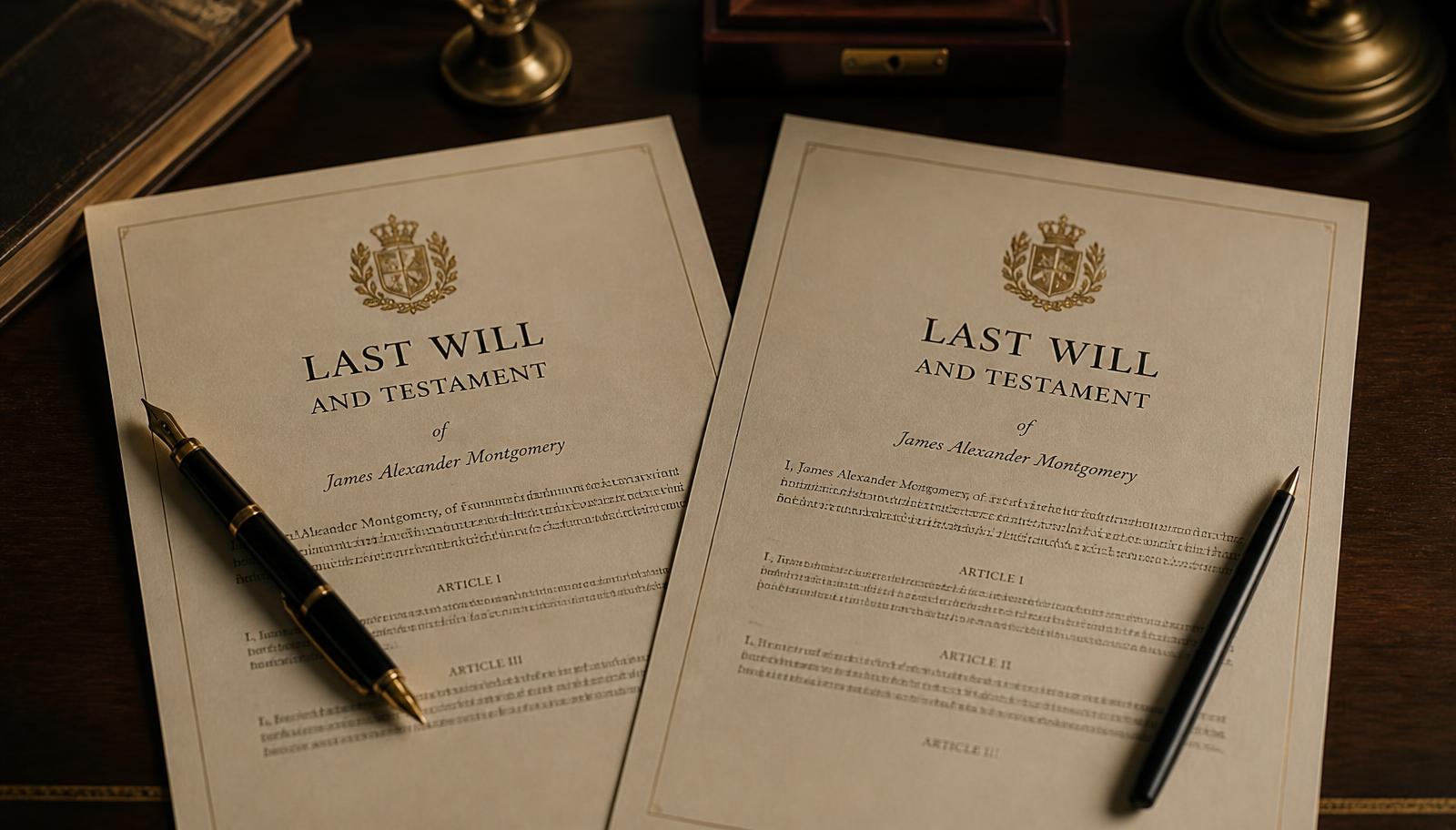
A real inheritance dispute — and the question of whether there was another way.

Inheritance Wars: What Can Mediation Do That a Judge Cannot?

A court can decide who is legally right. An inheritance mediation can sometimes solve a much bigger problem.

Peter Causton · 4 September 2026 · 9 min read

Inheritance Wars: What Can Mediation Do That a Judge Cannot?

The court

Decides the legal issues which the parties put before it.

Mediation

Explores what arrangement the parties themselves could actually live with.

This is an Inheritance Wars special feature rather than a numbered case. The cases mentioned below are drawn from the series and are used only as illustrations of the kinds of arrangement mediation can explore. None of the settlement structures described here was actually reached in those cases.

The courtroom question

A judge must decide the legal issues put before the court.

Was the will valid? Did the testator have capacity? Was there undue influence? Was a promise made, relied upon and acted upon? What does the document mean? What order does the law permit the court to make?

Those questions matter. Sometimes only a court can answer them, and a party may legitimately want the answer.

The mediation question

Mediation asks something different: what arrangement could actually resolve the dispute?

That is not the same question, and it does not always have the same answer.

Family farm

A court may determine ownership.

A mediation might explore division of fields; transfer of the farmhouse; rights of occupation; a staged buyout; business succession; or the sale of only part of the land. The farms in Thorner v Major and James v James each had to be valued, argued over and decided upon. Neither family agreed such a settlement — but the possibilities existed.

Family home

A court may determine whether the will is valid.

A mediation might explore life occupation; deferred sale; a lump sum; a trust arrangement; or the purchase of another beneficiary's interest. Disputes such as Rea v Rea and Schrader v Schrader turned on a single house which could only be awarded to one side by a judgment.

Charity v family

A court may decide that the charity receives everything, or nothing, depending upon the legal issue.

A mediation may be able to explore an agreed charitable payment while retaining property within the family — something no court could have imposed in Gill v Woodall or Ilott v The Blue Cross.

Family business

A court determines legal rights.

Mediation might explore shares; control; buyouts; dividends; management; or the separation of property from the operating business. In Bond v Webster the family holding company was at the centre of a four-week trial.

Personal possessions

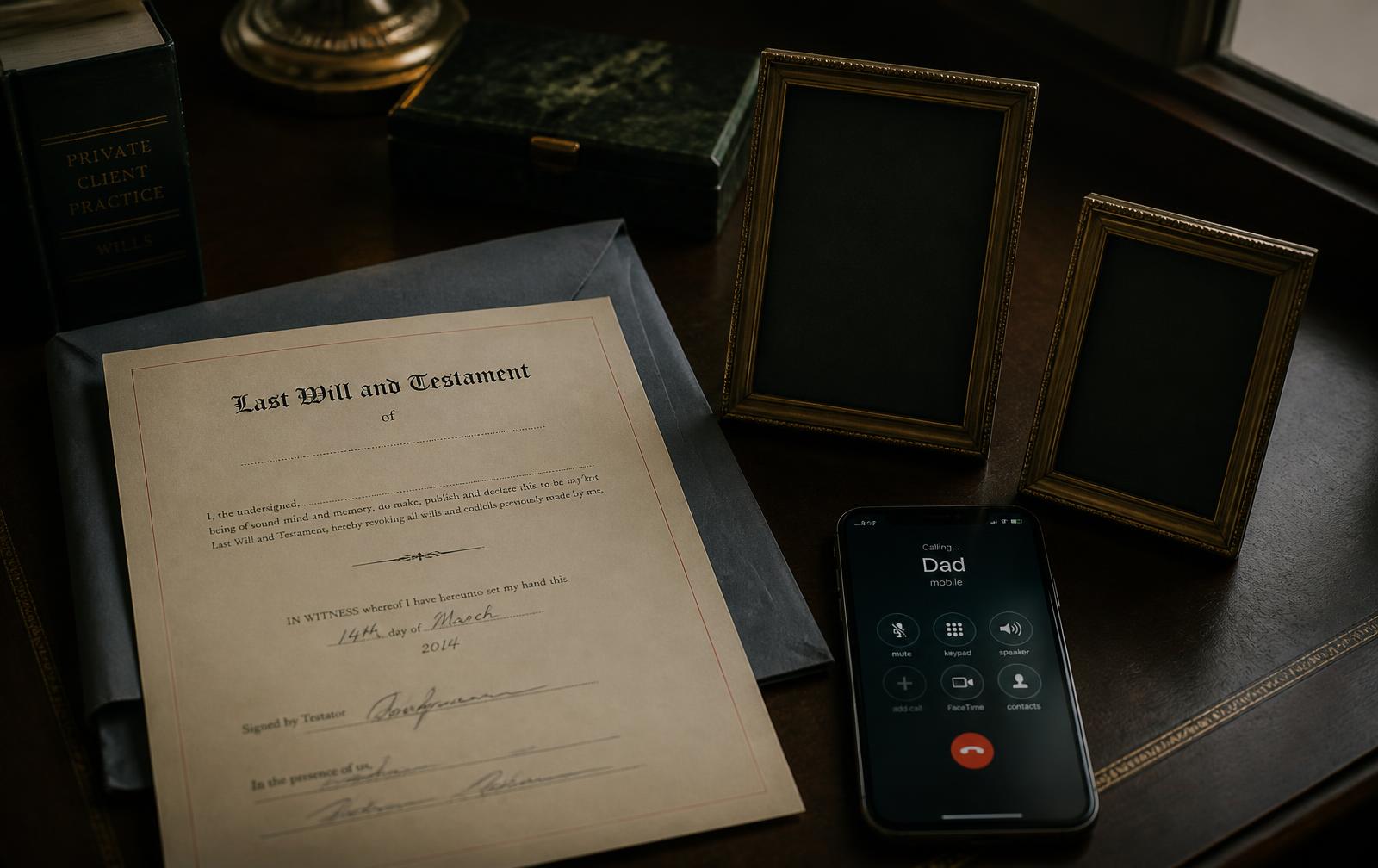
A court case worth hundreds of thousands of pounds can still contain an argument about Dad's watch; Mum's jewellery; family photographs; furniture; letters; or sentimental possessions.

A mediator can deal with these issues too. A judge, in a probate claim, usually cannot.

Explanations

Sometimes a party wants to know: Why did Dad change his will? Why wasn't I told? Why did you stop me seeing Mum? What happened to the money?

A court may determine the legal consequences. It cannot always provide the conversation the family actually wants.

Confidentiality

Mediation is conducted privately. Discussions are confidential and generally without prejudice under the terms of the mediation agreement signed by the parties, subject to the exceptions recognised by law. A trial, by contrast, is normally public and the judgment may be reported — as every case in this series demonstrates.

Cost

Mediation is not automatically cheaper than litigation. It has its own costs, and a mediation which does not settle adds to them.

What can be said is narrower and more honest: a successful mediation can avoid some or all of the future costs of continuing litigation. In disputes where costs are already approaching the value of what is being argued about, that is a significant point.

Control

In court, the parties present their cases and the judge decides.

In mediation, nothing is agreed unless the parties agree it.

The best settlement may be one a judge could never have ordered.

Where a judgment is the right answer

Mediation is not always the answer, and this series does not pretend otherwise.

Where fraud, sham transactions, capacity or serious undue influence are alleged, a judicial finding may genuinely matter. A party may legitimately require vindication. Third-party interests, minors, protected parties or charitable duties may complicate settlement. Some disputes raise a point of law which only an appellate court can settle: mediation could have resolved the money in Marley v Rawlings, but it could not have created a Supreme Court precedent.

Mediation is also not a substitute for legal advice or, where necessary, protective court intervention. The mediator is neutral, does not decide who is right and does not advise the parties.

Before you ask "Who will win?", it may be worth asking: "What would settlement actually look like?"

Cases referred to & sources

Is your dispute beginning to look like an inheritance war?

Inheritance disputes often become harder to resolve as costs increase, positions become entrenched and family relationships deteriorate.

Mediation provides an opportunity to explore settlement before the outcome is left entirely to the court.

ProMediate Inheritance, Probate & Trusts provides specialist mediation for disputes involving wills, estates, trusts, inheritance and family property.

Meet our mediators

Mediation is voluntary and confidential, subject to the mediation agreement and applicable legal exceptions. The mediator is neutral, does not decide who is right and does not provide legal advice. This article provides general information about mediation and the reported decisions referred to above. It does not constitute legal advice.

© 2026 ProMediate (UK) Limited. All rights reserved.

This article may not be reproduced, republished or substantially copied without the prior written permission of ProMediate (UK) Limited. Short quotations may be used for legitimate commentary or citation provided that ProMediate is clearly credited as the source.


← Back to Insights

Insights

More from Inheritance Wars

Closed legal papers tied with ribbon beside a memorial card, an empty photograph frame and white lilies on a dark table.

Probate & Estates

Inheritance Wars: When a Family Dispute Continues Beyond Death

The High Court’s decision in Ofori-Kuma v Fordjor shows how grief, family relationships and cultural beliefs can collide after a death — and why early mediation may help families resolve sensitive probate disputes.

Peter Causton · 9 September 2026 · 12 min read

Editorial illustration of a will, two abstract signature samples and a magnifying glass on a solicitor’s desk.

Contested Wills

Inheritance Wars: The Solicitor, the Forged Will — and the Daughter Left With Nothing

A solicitor's supposed final will left his only daughter nothing and another man everything. The High Court held the disputed will was not genuine.

Peter Causton · 1 July 2025 · 18 min read

Editorial illustration of an open box of inherited gold jewellery beside a family photograph and house key.

Probate & Estates

Inheritance Wars: Ten Children, a Family Home — and a Box Full of Gold

Ten siblings spent more than a decade disputing their mother's estate, including family loans, a mortgage, rent and a safe-deposit box of gold jewellery. Kaur v Kaur [2025] EWHC 2806 (Ch).

Peter Causton · 3 November 2025 · 19 min read

Editorial illustration of representative luxury assets and property keys claimed in an inheritance dispute.

Inheritance Act

Inheritance Wars: The £38.5 Million Estate, the Patek Philippe and the Claim That Came Four Years Too Late

A man who said he had been treated as a son sought around £5m from a £38.5m estate, including a South Kensington flat, classic Mercedes and luxury watch. But his Inheritance Act claim was more than four years late.

Peter Causton · 9 March 2026 · 17 min read

Editorial illustration representing a dispute about where an unmarried partner was living before death.

Inheritance Act

Inheritance Wars: His Partner Said They Lived Together — His Children Said She Was Only His Tenant

After being left nothing, an unmarried partner claimed against an estate stated at just under £1.4m. Jassal v Shah turned on where the couple lived and later generated an appeal over £140,000 plus VAT in litigation costs.

Peter Causton · 6 September 2026 · 17 min read

Editorial illustration representing grandchildren in a family inheritance dispute.

Contested Wills

Inheritance Wars: Their Father Died First — Then Grandad’s New Will Left Them £50 Each

Five granddaughters challenged their grandfather’s later will after it replaced the share their late father would have received with £50 legacies. Gowing v Ward and the risks of a changed family will.

Peter Causton · 6 September 2026 · 16 min read

Inheritance Wars: The Farmer With Dementia, the Son Who Died — and the 58 Acres That Changed Hands

Property & Estoppel

Inheritance Wars: The Farmer With Dementia, the Son Who Died — and the 58 Acres That Changed Hands

A Welsh farmer with cognitive impairment changed his will after his son's death. Hughes v Pritchard reached the Court of Appeal over testamentary capacity and a longstanding promise of farmland.

Peter Causton · 6 September 2026 · 17 min read

Inheritance Wars: 66 Years of Marriage — and Her Husband Left Everything to the Sons

Inheritance Act

Inheritance Wars: 66 Years of Marriage — and Her Husband Left Everything to the Sons

After 66 years of marriage, Harbans Kaur's husband left his estate solely to their sons. She successfully claimed 50% under the Inheritance Act 1975.

Peter Causton · 6 September 2026 · 14 min read

Inheritance Wars: The 95-Year-Old Mother, the Two Feuding Brothers and the House That Changed Hands

Contested Wills

Inheritance Wars: The 95-Year-Old Mother, the Two Feuding Brothers and the House That Changed Hands

Jessica Schrader had capacity and knew what her 2006 will said, yet the High Court held it was procured by undue influence. Schrader v Schrader [2013] EWHC 466 (Ch) explained.

Peter Causton · 4 September 2026 · 15 min read

Inheritance Wars: The Mother Who Left Her £1 Million Farm to a Charity She Didn’t Even Like

Contested Wills

Inheritance Wars: The Mother Who Left Her £1 Million Farm to a Charity She Didn’t Even Like

Joyce Gill left her £1m-plus family farm to the RSPCA and excluded her only daughter. Gill v Woodall became a leading contested-will case on knowledge and approval and undue influence.

Peter Causton · 4 September 2026 · 16 min read

Inheritance Wars: “One Day This Will All Be Yours” — When Expecting the Family Farm Isn’t Enough

Property & Estoppel

Inheritance Wars: “One Day This Will All Be Yours” — When Expecting the Family Farm Isn’t Enough

A farmer's only son expected to inherit the family farm but lost claims based on proprietary estoppel and testamentary capacity. James v James shows why family expectations are not necessarily legal promises.

Peter Causton · 4 September 2026 · 15 min read

Inheritance Wars: “That’s for My Death Duties” — The Farmer Who Promised a Farm Without Ever Quite Saying So

Property & Estoppel

Inheritance Wars: “That’s for My Death Duties” — The Farmer Who Promised a Farm Without Ever Quite Saying So

For nearly 30 years David Thorner worked unpaid on a relative’s farm believing he would inherit it. The farmer died intestate. Thorner v Major became a leading proprietary estoppel case.

Peter Causton · 4 September 2026 · 14 min read

Inheritance Wars: The Husband and Wife Who Signed Each Other’s Wills

Contested Wills

Inheritance Wars: The Husband and Wife Who Signed Each Other’s Wills

A solicitor accidentally gave a husband and wife each other's mirror wills to sign. The mistake eventually reached the Supreme Court. Marley v Rawlings explains will rectification and the cost of a simple execution error.

Peter Causton · 4 September 2026 · 12 min read

Inheritance Wars: The £10 Million Promise by a Swimming Pool in Vietnam

Property & Estoppel

Inheritance Wars: The £10 Million Promise by a Swimming Pool in Vietnam

A son-in-law said his parents-in-law promised him their multimillion-pound family business beside a swimming pool in Vietnam. The court rejected the claim. What does the Fabric Land dispute teach about proprietary estoppel?

Peter Causton · 4 September 2026 · 13 min read

Inheritance Wars: The Father Who Reconciled With the Daughter He Had Cut Out of His Will — But Never Changed It

Inheritance Act

Inheritance Wars: The Father Who Reconciled With the Daughter He Had Cut Out of His Will — But Never Changed It

A father excluded his daughter after decades of estrangement, then reconciled with her but never changed his will. McDaniel v Talbot explains when an adult child may succeed under the Inheritance Act 1975.

Peter Causton · 4 September 2026 · 14 min read

Inheritance Wars: The Mother Who Believed Her Son Tried to Murder His Brother

Contested Wills

Inheritance Wars: The Mother Who Believed Her Son Tried to Murder His Brother

A 93-year-old mother disinherited her son after believing he had tried to murder his brother. The High Court overturned the later will. The Dalton case shows how dementia, false beliefs and undue influence can collide in inheritance disputes.

Peter Causton · 4 September 2026 · 13 min read

Inheritance Wars From the Archives: The Man Who Saw Devils — But Was Still Sane Enough to Make a Will

Contested Wills

Inheritance Wars From the Archives: The Man Who Saw Devils — But Was Still Sane Enough to Make a Will

John Banks believed he was pursued by devils and persecuted by a dead man. Yet his will was valid. Discover how Banks v Goodfellow created the test for testamentary capacity still used today.

Peter Causton · 4 September 2026 · 14 min read

Inheritance Wars: The Tyre Millionaire, the Secret Will and the Four Children at War

Contested Wills

Inheritance Wars: The Tyre Millionaire, the Secret Will and the Four Children at War

Four children, a multimillion-pound family business, a secret later will and a four-week High Court trial. Bond v Webster shows why testamentary capacity and knowledge and approval matter in contested wills.

Peter Causton · 4 September 2026 · 15 min read

Inheritance Wars: The Husband and Wife Who Died Together — and the £300,000 Question of Who Died First

Joint Property

Inheritance Wars: The Husband and Wife Who Died Together — and the £300,000 Question of Who Died First

A husband and wife died at home and nobody knew who died first. Scarle v Scarle decided which family inherited their £300,000 joint assets using a little-known rule from 1925.

Peter Causton · 4 September 2026 · 13 min read

Inheritance Wars: “Lazy, Useless and Druggy” — The Daughter Her Father Deliberately Cut Out of a £1.4 Million Estate

Inheritance Act

Inheritance Wars: “Lazy, Useless and Druggy” — The Daughter Her Father Deliberately Cut Out of a £1.4 Million Estate

Roger Howe deliberately excluded his only daughter from his £1.4m estate. She nevertheless received £125,000 under the Inheritance Act 1975. What does Howe v Howe tell us about estranged adult-child claims?

Peter Causton · 4 September 2026 · 14 min read

Inheritance Wars: The 92-Year-Old Who Tore Up Her Will on Her Deathbed

Contested Wills

Inheritance Wars: The 92-Year-Old Who Tore Up Her Will on Her Deathbed

A 92-year-old woman tore up her will on her deathbed but was too weak to finish. Crew v Oakley considered whether the will was legally revoked and who inherited her £800,000 estate.

Peter Causton · 4 September 2026 · 12 min read

Inheritance Wars: The Daughter Who Cared for Her Mother — and the Three Brothers Who Said She Took Control of the Will

Contested Wills

Inheritance Wars: The Daughter Who Cared for Her Mother — and the Three Brothers Who Said She Took Control of the Will

Rea v Rea involved a daughter who cared for her mother, three brothers challenging a will and allegations of undue influence. The Court of Appeal ultimately upheld the will.

Peter Causton · 4 September 2026 · 13 min read

Inheritance Wars: The Mother Who Left Her Daughter Nothing — and £486,000 to Animal Charities

Inheritance Act

Inheritance Wars: The Mother Who Left Her Daughter Nothing — and £486,000 to Animal Charities

Can an estranged adult child challenge a parent's will? Ilott v The Blue Cross is the leading Supreme Court case on adult-child claims under the Inheritance Act 1975.

Peter Causton · 4 September 2026 · 12 min read

Inheritance Wars: The Harry Potter Books, the Disinherited Daughter and the £350,000 Estate

Contested Wills

Inheritance Wars: The Harry Potter Books, the Disinherited Daughter and the £350,000 Estate

Clitheroe v Bond concerned a disinherited daughter, alleged delusions and a £350,000 estate. What does the case teach about testamentary capacity and probate mediation?

Peter Causton · 4 September 2026 · 12 min read

Inheritance Wars: “One Day This Will All Be Yours” — The Family Farm Promise That Ended in Court

Property & Estoppel

Inheritance Wars: “One Day This Will All Be Yours” — The Family Farm Promise That Ended in Court

Winter v Winter shows how promises about inheriting a family farm or business can override later testamentary arrangements through proprietary estoppel.

Peter Causton · 4 September 2026 · 10 min read

The £200,000 Stamp Collection Sold for £1: When a Will Dispute Costs Almost as Much as the Estate

Contested Wills

The £200,000 Stamp Collection Sold for £1: When a Will Dispute Costs Almost as Much as the Estate

What Neate v Heselden teaches about contested wills, testamentary freedom, knowledge and approval, litigation costs and the role of probate mediation.

Peter Causton · 4 September 2026 · 9 min read

Inheritance Wars: The £5 Million Estate and a £490,000 Costs Bill

Probate & Estates

Inheritance Wars: The £5 Million Estate and a £490,000 Costs Bill

Fourteen years after a death, an estate said to be worth up to £5 million remained largely unadministered, declarations of trust were found to be shams and indemnity costs approaching £490,000 were ordered on account.

Peter Causton · 4 September 2026 · 9 min read