Real cases · Real families · Real consequences
Inheritance Wars
When family, money and the law collide.
Inheritance Wars examines real disputes over wills, estates, trusts and family property which have reached the courts — and asks what they can teach us about resolving inheritance disputes differently.
Families rarely begin an inheritance dispute expecting years of litigation.
A disagreement may start with a will nobody expected, a promise about a family home, an executor who will not agree with a beneficiary, allegations of undue influence, or simply the belief that:
“This cannot possibly be what they intended.”
But once proceedings begin, disputes can acquire a momentum of their own.
Inheritance Wars looks behind the reported judgments: at the families involved, the legal issues, what was at stake, what happened in court — and the question which often deserves to have been asked much earlier:
Could mediation have resolved it?
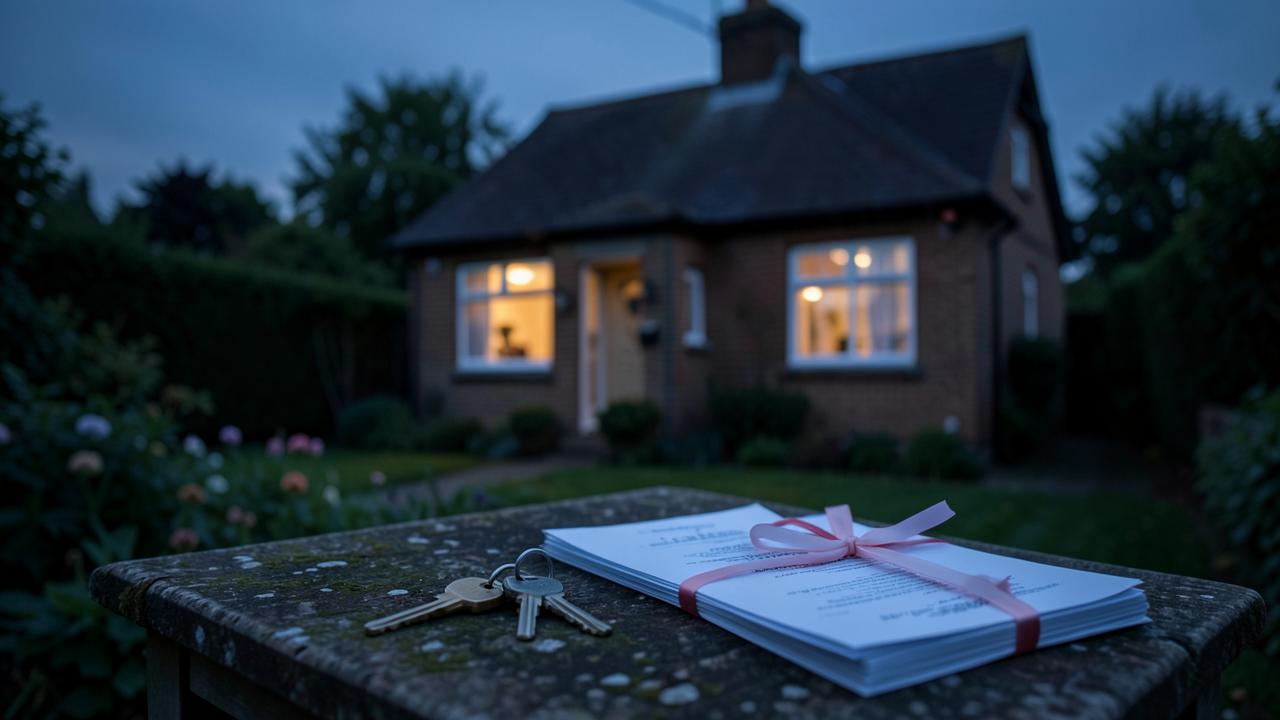
Featured Inheritance War
The Husband and Wife Who Died Together — and the £300,000 Question of Who Died First
Scarle v Scarle
A husband and wife were found dead in their bungalow. Nobody could establish which had died first. Each had a child from a previous relationship. The answer determined which family inherited their jointly owned assets.
79 & 69 · £300,000 at stake · One rule from 1925
Explore the Inheritance Wars
The case library
Many cases raise more than one issue and appear under several headings.
Inheritance Wars by the Numbers
These cases are exceptional. Inheritance disputes aren’t.
Individual reported cases can appear extraordinary.
But the wider trend is significant.
Probate Registry figures obtained through Freedom of Information requests show that the number of probate caveats entered annually increased from 6,358 in 2010 to 11,328 in 2025 — an increase of approximately 79%.
Meanwhile, reported data indicate 1,217 disputed probate cases were filed in the High Court in 2025, compared with 816 in 2020.
A caveat prevents a grant of probate being issued without notice. It records that someone wishes to be notified; it is not itself a contested probate claim, and the two datasets are collected on different bases.
79%
increase in probate caveats since 2010
11,328
probate caveats in 2025
1,217
High Court disputed probate claims filed in 2025
What the cases have in common
Different families. Different law. Familiar patterns.
The unexpected will
A family member discovers that the deceased’s final arrangements are very different from what they expected.
The family home
Property carries an emotional significance far beyond its market value.
The promise
Someone believes years of work or care were given in reliance upon an assurance about the future.
The estrangement
Years of difficult family history are compressed into witness statements and legal submissions.
The absent witness
The person whose intentions everybody is debating is no longer able to explain them.
The costs
A dispute about an inheritance gradually begins consuming the inheritance itself.
Could mediation have resolved it?
Not necessarily.
Some inheritance disputes genuinely require judicial determination. Questions of capacity, fraud, ownership, construction or the validity of a will may sometimes need a judge to decide them.
Mediation does something different.
It allows the parties to ask not only:
“Who is legally right?”
but:
- “What happens if I am wrong?”
- “How much will proving this cost?”
- “What will be left of the estate?”
and ultimately:
“Is there an arrangement we can all live with?”
That is why mediation can be particularly effective in inheritance disputes.
It allows legal rights, litigation risk, money, property and family relationships to be considered together.
Anatomy of an inheritance war
How disputes usually unfold
1
Death
2
Surprise
“That’s not what I was told.”
3
Suspicion
“Something isn’t right.”
4
Solicitors
5
Positions harden
6
Proceedings
7
Costs escalate
Court
A judge decides
or
Mediation
The parties decide
The earlier mediation is considered, the more options may remain available. Mediation works best alongside proper legal advice, not instead of it — parties should understand their position before deciding how to resolve it.
Inheritance Wars
The next Inheritance War
New cases, judgments and developments in inheritance disputes, explained by ProMediate.
About the author
Peter Causton
Barrister · Mediator · Founder of ProMediate
Peter Causton writes the Inheritance Wars series for ProMediate, examining decided inheritance, probate, trust and family property cases from the perspective of litigation and dispute resolution.
Inheritance Wars provides general information and commentary on decided cases and mediation. It does not constitute legal advice. Every inheritance dispute depends upon its own facts and applicable law.
© 2026 ProMediate (UK) Limited. All rights reserved.